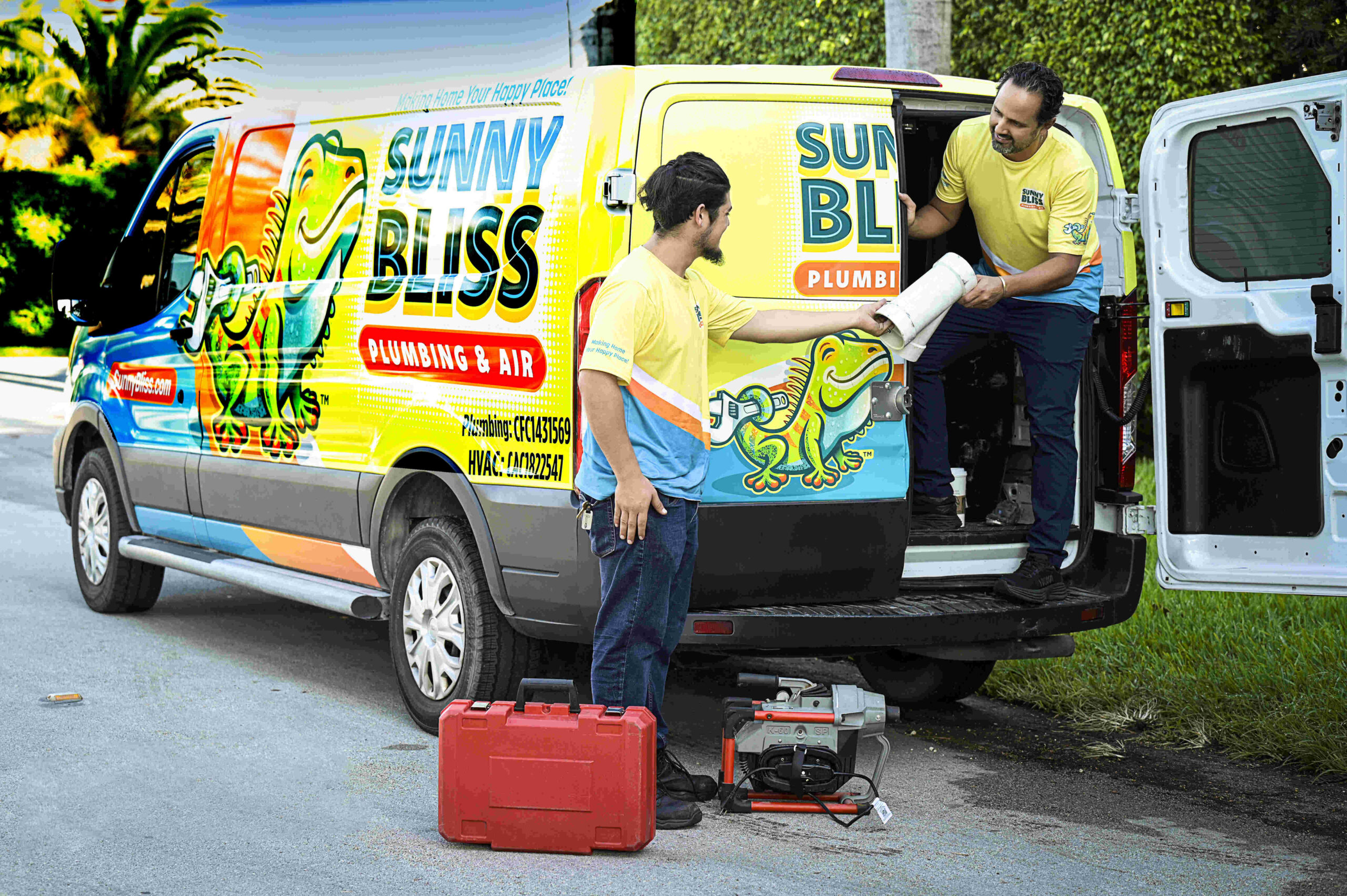
Same Day Service and 0% APR for 24 Months

How Preventive AC Maintenance Saves Miami Homeowners Thousands

Navien Tankless Water Heater Maintenance Guide (Miami 2026) - sunny bliss best plumbing and or ac company in miami

Sunny Bliss Plumbing & Air  Recommendation for Miami’s Homeowners to save Thousands – Perform frequent AC Maintenance

In Miami’s heat, humidity, and salt-heavy coastal air, air conditioners don’t get much of an “off-season.” I’ve seen systems in high-rise condos and single-family homes run hard year-round, and that constant workload makes minor problems snowball fast—especially when salt-air corrosion and moisture get into coils, wiring, and drain systems.

Why small AC issues get expensive quickly in South Florida

Here’s what tends to drive big repair bills locally:

  • Restricted airflow from dirty filters, matted evaporator coils, or clogged blower wheels. The system runs longer, pressures climb, and compressors take the hit.
  • Condensate drain trouble because algae and slime build up quickly in Miami. A partially blocked drain line can lead to overflow, ceiling stains in condos, water damage around air handlers, and sometimes shut-offs that leave you without cooling.
  • Corrosion and rust accelerated by salt air, especially on outdoor coils, electrical terminals, and cabinet components. Left unchecked, corrosion turns into refrigerant leaks, electrical failures, and premature part replacement.
  • Electrical wear from long runtimes: loose connections, pitted contactors, and weakening capacitors are common “it was working yesterday” breakdowns I run into during peak heat.

How preventive maintenance helps you avoid the big-ticket problems

A good maintenance visit isn’t about “topping off refrigerant” or a quick glance. Done correctly, it’s aimed at catching the conditions that cause expensive failures and high power bills:

  • Clean filters and coil surfaces to keep airflow and heat transfer where they should be. When coils are dirty, you pay for it in longer runtimes and higher amp draw.
  • Clear and test the drain line and safety switch before it becomes a leak or emergency shutoff. In condos, this is one of the most common preventable service calls.
  • Check for early corrosion and refrigerant issues (oil residue, damaged insulation, rusted panels, deteriorating coil fins). These are the clues technicians look for before a leak becomes a major repair.
  • Tighten electrical connections and test components like capacitors and contactors. This is basic best practice and aligns with what most manufacturers expect for reliability.

What a thorough tune-up typically includes (and what it doesn’t)

Most legitimate HVAC maintenance will include:

  • Filter condition review/replacement guidance
  • Indoor coil and blower inspection (cleaning when needed)
  • Outdoor coil inspection/cleaning as appropriate
  • Drain line flush/clear and condensate pan check
  • Electrical testing (capacitor, contactor, wiring connections)
  • Temperature split and system performance checks
  • Basic refrigerant diagnostics (not “adding refrigerant” unless a leak is found and repaired)

What it usually won’t include in a standard visit:

  • Major coil cleanings requiring disassembly (sometimes needed, but it’s a separate job)
  • Duct repairs, insulation upgrades, or equipment replacement planning (those take additional evaluation)
  • Refrigerant “top-off” without leak investigation (a red flag in Florida’s conditions)

A realistic expectation on cost and timing

In Miami, maintenance is typically far less expensive than an emergency call during a heat wave—when schedules tighten and parts can take longer to source. The main value is reducing surprise failures, keeping energy use steadier, and extending the time before major components wear out.

If you want clarity on what your specific system needs—especially in a condo setup, older home, or coastal exposure—talk with a licensed HVAC professional. Sunny Bliss Plumbing & Air is one example of a local, family-owned Miami company known for ethical recommendations, proper licensing, and long-term customer relationships, but any qualified contractor should be able to walk you through findings transparently and help you decide what’s worth doing now versus later.

Key Takeaways

1) Small electrical and mechanical issues get found before they strand you in July

In Miami, most breakdown calls I see happen during the first real heat wave—when the system has to run long cycles and any weak link finally gives up. During a proper tune-up, we’re looking for things homeowners can’t safely or realistically check on their own: a capacitor that’s drifting out of spec, contactors with pitted points, loose connections that create heat, and compressors that are running hotter than they should.

Those are the kinds of problems that often start as a $200–$400 repair and turn into a much larger invoice if they’re ignored until the unit won’t start on a Saturday afternoon in August. Preventive maintenance doesn’t “guarantee” you’ll never have a failure, but it does cut down on the surprises that come from wear building up unnoticed.

2) Cleaner airflow usually means lower bills and less wear on expensive parts

A lot of Miami homes and high-rise condos run their AC nearly year-round. When filters are neglected or the indoor coil is dirty, the system has to work harder to move the same amount of air. That extra runtime shows up in two places: higher electric bills and more strain on motors, capacitors, and the compressor.

What we do in the field is more than swapping a filter. We check static pressure, look for return-side restrictions (common in condos where closet air handlers get blocked by storage), and confirm the blower and coil aren’t matted with dust. Balanced airflow matters because “cold air” alone isn’t the goal—consistent volume and proper heat transfer are what keep the unit from running itself into the ground.

3) Drain line clogs are a quiet way to rack up big repair costs

Condensate problems are extremely common here because of humidity. Algae and bio-growth build up fast in drain lines and pans, and when that line plugs, water goes somewhere—often into drywall, flooring, or down inside a wall cavity where you don’t see it right away.

I’ve been on plenty of calls where the AC was technically “fine,” but the homeowner was facing water damage, staining, and sometimes mold remediation. A drain cleaning and inspection is a simple maintenance item, but it prevents the kind of hidden leak that can snowball into thousands of dollars—especially in multi-story homes and condos where water can affect multiple units.

4) Salt-air corrosion near the coast shortens equipment life if it’s ignored

If you’re in Miami Beach, Key Biscayne, Sunny Isles, or anywhere close to the water, salt and moisture are hard on outdoor units. Coils and electrical connections corrode faster, and that corrosion leads to reduced efficiency, refrigerant leaks, and failures at terminals and contact points.

Coastal maintenance is partly cleaning, partly inspection, and partly knowing what “normal wear” looks like versus early deterioration. We’ll often recommend coil rinsing schedules, corrosion-resistant strategies where appropriate, and we’ll document coil condition so homeowners can plan ahead instead of being forced into a rushed replacement.

5) Maintenance plans can reduce emergency costs—but only if they’re transparent

The practical value of a maintenance plan isn’t magic discounts; it’s predictability. When a company documents readings (temperatures, pressures, amperage, drain condition) and you have a service history, it’s easier to spot trends and make informed decisions—repair now, monitor, or budget for replacement.

Priority scheduling also matters in Miami during hurricane season and peak summer demand, when call volume spikes and parts availability can tighten. Just be sure the plan spells out what’s included: number of visits, what tasks are performed, and whether there are any add-on fees. If it’s vague, it’s hard to compare options fairly.

A realistic takeaway for Miami homeowners

Preventive AC maintenance won’t eliminate every breakdown, but in Miami’s heat, humidity, and coastal conditions, it often prevents the expensive “domino effect” failures: overheating components, water damage from clogs, and corrosion-related deterioration.

If you want clarity on what your system needs—and what it doesn’t—talk with a licensed HVAC professional who will show you measurements, photos, and written findings. Sunny Bliss Plumbing & Air is one local, family-owned Miami company known for ethical recommendations, proper licensing, and long-term customer relationships, but the key is choosing any qualified contractor who documents their work and explains your options without pressure.

Why AC Systems in Miami Wear Out Faster

Why AC Systems in Miami Wear Out Faster

In Miami, air conditioners don’t get much of a break. Between high temperatures, heavy humidity, and warm nights, most systems run most of the year—often 10–12 months—especially in high-rise condos where sun exposure and glass load can keep units calling for cooling well into the “winter.”

Long run seasons mean more mechanical wear

The biggest factor I see in the field is simple runtime. More operating hours means faster wear on:

  • Blower motors and bearings
  • Capacitors and contactors (common failure points after lots of cycling)
  • Compressor components when airflow or refrigerant charge isn’t dialed in

Homeowners often assume a unit “should” last as long here as it would in a cooler climate. Realistically, Miami’s workload can shorten service life if maintenance and airflow aren’t kept up.

Moisture is relentless in South Florida. When humidity stays high, you’re not just cooling air—you’re constantly removing water. That drives up condensation and increases the chances of:

  • Corrosion on coils, terminals, and control boards
  • Rust on drain pans and supports
  • Algae buildup or clogs in condensate drains, which can trigger float switches or cause leaks

In condos, I also see damage from slow drain issues that go unnoticed until a ceiling stain shows up downstairs. That’s when a “minor” drainage problem turns into a bigger repair conversation.

Salt-air and coastal exposure accelerate coil damage

If you’re near the coast—Miami Beach, Brickell along the bay, parts of Key Biscayne—salt-laden air can speed up deterioration. It’s especially hard on:

  • Outdoor condenser coils
  • Fasteners and electrical connections
  • Cabinet panels and coil fins

Rinsing coils improperly can bend fins or push debris deeper, so this is one of those areas where “DIY maintenance” can backfire if the approach isn’t correct.

Restricted airflow makes the system work harder than it should

Dirty filters are obvious, but the more expensive issues usually come from neglected coils (indoor and outdoor) and duct problems that raise static pressure. When airflow drops:

  • The system runs longer to hit set temperature
  • The compressor runs hotter
  • Efficiency falls, and comfort gets inconsistent (hot spots, clammy rooms)

A common mistake I see is homeowners lowering the thermostat to “force it to cool.” That doesn’t speed up cooling—it just increases runtime and can worsen humidity control if underlying airflow or drainage issues exist.

What preventive maintenance realistically helps with

A well-done AC maintenance visit in Miami isn’t just a quick filter swap. Done right, it focuses on the failure points we see most here: airflow, drainage, electrical wear, and coil condition.

A maintenance plan can also help homeowners budget and reduce surprise breakdowns during peak demand (which is very real during summer and hurricane season when schedules fill fast).

If you want clarity on what your system needs—or whether your usage and environment are accelerating wear—talk with a licensed HVAC professional. Companies like Sunny Bliss Plumbing & Air (local, family-owned in Miami) are a good example of the type of contractor to look for: properly licensed, transparent about findings, and focused on long-term reliability rather than pressure.

The True Cost of Emergency AC Repairs in Miami

Why emergency AC repairs cost more in Miami

In Miami, air conditioners don’t get much of an “off season.” Between the humidity load, long runtimes, and salt air (especially near the beach and in high-rise condos), equipment runs hot and wears faster.

After decades in the field, I can tell you most breakdowns don’t happen on mild days—they show up during the first real heat spike, on a weekend, or right after a storm when everyone’s system is struggling.

When you need emergency AC repair in Miami, the price is often higher for practical reasons:

  • After-hours labor and dispatch: Nights, weekends, and holidays usually come with different labor rates because techs are pulled from scheduled work.
  • Rush diagnostics: The goal in an emergency is to restore cooling safely and quickly. That can mean faster triage and fewer “nice-to-have” options until the system is stable.
  • Parts availability in peak season: During summer and hurricane-season demand, common components (capacitors, contactors, blower motors) may be scarce. If a part has to be sourced same-day, pricing and wait times can change.

How small issues turn into expensive failures

A lot of the big bills I see started as problems that were uncomfortable—but technically “still running.” In Miami’s climate, that’s where homeowners get caught.

Common examples from service calls:

  • Clogged condensate drain lines: With our humidity, algae and sludge build up quickly. If the float switch trips or water backs up, you can end up with shutdowns, ceiling damage in condos, or pan overflow.
  • Weak capacitors: They’re inexpensive, but if they fail under load, the system can hard-stop. Repeated hard starts can also stress the compressor and contactor.
  • Restricted airflow (dirty filters, blocked returns, matted coils): This can cause icing and liquid refrigerant returning to the compressor—one of the more expensive outcomes.

The main cost jump usually happens when a manageable repair turns into a compressor or refrigerant-system issue**, which can move the bill from a few hundred dollars into the thousands depending on tonnage, access** (tight condo mechanical closets are common), and whether the unit uses newer refrigerants.

The “hidden” cost: time, access, and repeat visits

Emergency repairs aren’t just about the invoice. Homeowners often underestimate the disruption:

  • Longer wait windows during heat waves when call volume spikes.
  • Building logistics in high-rises: parking, loading docks, elevator reservations, and HOA approvals can slow a straightforward repair.
  • Follow-up visits if the first goal is restoring cooling and a second trip is needed for deeper diagnostics, coil cleaning, or specialized parts.
  • Lost sleep and indoor humidity: Even if the temperature doesn’t skyrocket immediately, moisture builds fast in a closed home, which can be miserable and hard on finishes.

Can a protection plan reduce emergency costs?

An HVAC protection plan in Miami can help in specific ways, but it’s not magic. The value usually comes from:

  • Priority scheduling (especially during peak demand).
  • Routine maintenance that catches drain issues, weak electrical components, and airflow problems before they fail.
  • Clear coverage terms that reduce surprise add-ons for certain repairs.

The trade-off is that plans vary a lot. Homeowners should ask what’s actually included (parts vs. labor, caps on coverage, after-hours policies) and whether maintenance visits are truly comprehensive—coil condition, drain treatment, electrical readings, and refrigerant performance are the items that tend to matter here.

A practical next step

If your system is short-cycling, leaking water, making new noises, or struggling to hold temperature, it’s usually cheaper to address it before it becomes an emergency call.

If you want clarity on what’s happening—and what it will realistically cost—talk with a licensed HVAC professional. A local, family-owned company like Sunny Bliss Plumbing & Air can be a good example of what to look for: proper licensing, transparent options, and a focus on long-term reliability rather than quick fixes.

How Preventive Maintenance Improves Energy Efficiency

How Preventive Maintenance Improves Energy Efficiency (Miami Reality Check)

Emergency repairs get your attention fast, but in Miami I often see the bigger cost come from “silent” waste—an AC that still cools, but has to work too hard to do it.

With year-round run time, high humidity, and salt air (especially near the coast and in high-rise condos), small efficiency problems show up quickly in higher kWh usage and rooms that feel clammy even when the thermostat looks fine.

What makes an AC waste energy in South Florida

In the field, the most common efficiency drains I see are straightforward:

  • Dirty evaporator or condenser coils: Salt-air corrosion and grime insulate the coil, so heat transfer drops and the system runs longer.
  • Low or incorrect refrigerant charge: This is often tied to a leak, not “normal loss.” Poor charge can raise run times and stress the compressor.
  • Restricted airflow: Clogged filters, matted blower wheels, and blocked returns are common—especially in condos where return grilles get overlooked.
  • Drain and humidity issues: A partially plugged condensate line can lead to elevated indoor humidity, odors, or float-switch shutdowns. Even before it trips, performance can feel “off.”
  • Electrical wear: Loose connections and out-of-range amperage don’t just risk breakdowns—they can reduce efficiency and shorten component life.

What a professional tune-up typically includes (and why it matters)

A legitimate HVAC maintenance visit is more than swapping a filter.

During an HVAC tune-up in Miami, a licensed tech will usually:

  • Inspect and replace/clean filters and verify proper fit (air bypass is common)
  • Clear and test the condensate drain line and safety switch
  • Clean coils as needed and check for corrosion or fin damage
  • Measure airflow/temperature split and review duct or return restrictions
  • Calibrate thermostat operation and confirm staging/controls are working correctly
  • Test capacitors, contactor, wiring, and measure amperage to confirm the system is operating within manufacturer specs

Done correctly, the result is typically shorter run cycles, steadier indoor temperatures, and better moisture removal****—which is a big deal during sticky nights and the long Miami cooling season.

Cost, expectations, and when to call a pro

Maintenance won’t “fix” an undersized system, leaky ducts hidden in a chase, or an aging unit that’s nearing end-of-life.

What it does well is catch problems early—before you pay for extra energy month after month or end up needing emergency service during hurricane-season demand.

If you want clarity on what your system needs—or you’re comparing options for energy-efficient AC performance in Miami—it’s worth speaking with a licensed HVAC professional who can show you measurements (not guesses).

Sunny Bliss Plumbing & Air is one example of a local, family-owned Miami company known for ethical recommendations, proper licensing, and long-term customer relationships, but any qualified, transparent contractor should be able to walk you through the findings and next steps without pressure.

Extending the Lifespan of Your HVAC System

Extending the Lifespan of Your HVAC System in Miami

In Miami, it’s common to hear, “The AC is cooling, so we’re fine.” In the field, that mindset is one of the fastest ways I see compressors, fan motors, and control boards fail earlier than they should. Our systems don’t get the long “break” they might up north—most units run most months of the year.

Add in high humidity, frequent thunderstorms, and salt-laden air (especially near the coast or in high-rise condos), and parts can deteriorate quietly even while the home still feels comfortable.

The hidden problem is that HVAC components rarely fail in isolation. A weak capacitor can make a motor labor. Low airflow from a dirty coil or clogged filter can raise operating temperatures. Corrosion at electrical connections can create resistance and heat.

Over time, that extra strain shows up as higher amperage draw and shorter equipment life—often without a dramatic warning until the day it stops.

What a Professional Inspection Catches Before It Becomes Expensive

A routine AC inspection in Miami is less about “topping off” refrigerant (a common misconception) and more about verifying the system is operating within manufacturer specs.

In a typical visit, a licensed technician will:

  • Measure amperage and voltage to spot motors or compressors working too hard
  • Test capacitors and contactors, which are frequent failure points in our heat and humidity
  • Check airflow and static pressure to catch duct restrictions and dirty coils early
  • Inspect for salt-air corrosion on condenser coils, wiring terminals, and control boards
  • Confirm condensate drainage is clear (clogged drains are a very real Miami issue, especially in condos)

This type of checkup is how you reduce short-cycling, overheating, and repeated hard starts—conditions that age motors and compressors quickly.

It also helps homeowners plan ahead. If a part is weakening, you can replace it on your schedule instead of during peak summer or hurricane-season demand, when availability and response times can be tighter.

Why Consistent Maintenance Timing Matters (and What to Expect)

Most premature replacements I see aren’t because the unit was “bad,” but because small issues were allowed to stack up: dirty coils, neglected drains, loose electrical connections, and airflow problems.

A structured HVAC maintenance plan (often called an HVAC membership) can help keep service intervals consistent so adjustments happen before wear becomes damage.

That said, maintenance isn’t magic. It won’t override an undersized system, poor duct design, or an aging unit that’s already near the end of its typical service life.

What it does do is stabilize operating conditions—cleaner heat transfer, steadier airflow, safer electrical performance—so the equipment has a fair chance to last as long as it was designed to.

A Practical Next Step

If you’re trying to get more years out of your current system, talk with a licensed HVAC professional and ask for clear readings (amperage, capacitor values, airflow/static pressure, and coil condition), not just a quick once-over.

Sunny Bliss Plumbing & Air is a local, family-owned Miami company that’s known for ethical service, proper licensing, and long-term customer relationships—but any qualified, transparent contractor should be able to walk you through what they’re seeing and what’s worth addressing now versus later.

What’s Included in a Professional 30-Point AC Tune-Up

What’s Included in a Professional 30-Point AC Tune-Up (Miami Homeowner Edition)

A true 30-point AC tune-up is a system-level inspection and performance check—not just changing a filter and hosing off the outdoor unit. In Miami, where ACs run most of the year and salt air can chew up outdoor components, small issues show up early. The goal is to find the problems that cause the common “it worked yesterday” breakdowns: weak airflow, drainage clogs, failing electrical parts, and poor heat transfer.

Below is what a seasoned HVAC tech typically covers, and what you should expect to see documented.

1) Airflow and performance testing (how we confirm it’s actually cooling correctly)

In the field, the most overlooked issue is airflow. Many “low refrigerant” calls turn out to be dirty coils, restricted returns, or weak blower performance—especially in older Miami homes and high-rise condos where access is limited and duct layouts are tight.

A thorough tune-up usually includes:

  • Static pressure testing to see if the system is struggling to move air (a major cause of frozen coils and compressor stress).
  • Temperature split measurement (supply vs. return) to confirm cooling performance under real operating conditions.
  • Blower inspection (wheel condition, motor operation, airflow settings) to catch dust buildup or incorrect speed taps.
  • Duct connection and leakage checks where accessible—important in attics, soffits, and condo chases where gaps waste cooling.
  • Thermostat accuracy and controls verification to make sure the system cycles properly and isn’t short-running.

What you should receive: real numbers (not “looks good”) and a note on whether airflow is within a reasonable range for your system.

2) Electrical and safety controls (where many no-cool failures start)

In Miami’s heat and humidity, electrical components take a beating—especially capacitors and contactors. Coastal areas add another layer: salt-air corrosion can speed up failure at lugs, terminals, and condenser components.

A proper check includes:

  • Tightening and inspecting electrical connections (loose lugs can cause overheating and intermittent shutdowns).
  • Capacitor testing (measured against rated µF, not guessed).
  • Contactor condition (pitting, chatter, heat damage).
  • Amperage draw readings on motors and compressor to spot early signs of strain.
  • Safety controls verification so the system can shut down safely when it should.

Homeowner tip: If a tune-up doesn’t include documented electrical readings, it’s hard to know whether parts are healthy or just “not dead yet.”

3) Condensate drainage (a major Miami-specific headache)

Clogged drains are one of the most common service calls we see in South Florida, especially during peak humidity and hurricane season when systems run nonstop and moisture load is high.

A full tune-up should cover:

  • Drain line inspection and clearing (as needed) to prevent overflow and water damage.
  • Drain pan condition check (cracks, rust, biological buildup).
  • Float switch testing if installed—this is a key safety device in many condos and closets to prevent flooding.

What to expect: If the drain is partially blocked, you should be told plainly whether it can be cleared during the visit or if additional work is required (and why).

4) Refrigerant and heat-transfer checks (what “pressures” do—and don’t—tell you)

Refrigerant is often misunderstood. Low cooling doesn’t automatically mean “add Freon.” Ethical techs don’t top off refrigerant without checking why it’s low and whether the system is charged correctly per manufacturer specs.

A professional tune-up generally includes:

  • Refrigerant pressure readings interpreted with temperature conditions (ambient temps matter in Miami).
  • Comparison to manufacturer charging method (superheat/subcooling where applicable) to confirm proper operation.
  • Inspection for heat-transfer restrictions, like dirty coils, matted fins, or poor airflow that can mimic refrigerant problems.
  • Cleaning accessible coils as needed (especially outdoor coils exposed to salt air, sand, and landscaping debris).

Limitations to know: Finding and repairing refrigerant leaks may require additional diagnostics (leak detection methods, nitrogen pressure testing, or dye), and it’s not always included in a basic tune-up.

5) Written report and realistic next steps (the part that builds trust)

A quality tune-up ends with documentation:

  • Measured values (temperature split, static pressure, amps, capacitor readings)
  • Visible concerns (corrosion, water staining, airflow restrictions)
  • Clear recommendations prioritized by safety, reliability, and efficiency, not pressure

This is what helps you plan repairs instead of getting surprised by a no-cool call in the hottest week of the year.

How long it takes and what it should cost (what to expect)

Most legitimate 30-point tune-ups take roughly 60–90 minutes, longer if access is difficult (common in tight condo mechanical closets or rooftop units).

Pricing varies by system type, access, and what’s included (coil cleaning and drain clearing can change the scope). If a “30-point” visit is booked for 20 minutes, it’s usually not a full evaluation.

When it’s time to bring in a licensed pro

If you’re noticing recurring drain clogs, weak airflow in certain rooms, frequent breaker trips, or your system struggles during afternoon heat, a tune-up is the right place to start—but it should be done by a licensed HVAC contractor who can document readings and explain options clearly.

Sunny Bliss Plumbing & Air is a local, family-owned Miami company known for ethical practices, proper licensing and certifications, and long-term customer relationships.

Whether you call them or another qualified contractor, the key is to choose someone who’ll test, measure, and show you what they found. If you want clarity on your AC’s condition or what a tune-up should include for your specific home or condo, speaking with a licensed professional is a good next step.

How Maintenance Prevents Water Leaks and Mold Issues

How routine AC maintenance helps prevent water leaks and mold in Miami homes

In Miami, your air conditioner isn’t just cooling the house—it’s acting like a dehumidifier almost year-round. On a typical service call, we’ll see systems pulling several gallons of moisture out of the air daily. That means a minor problem (a partially blocked condensate line, a dirty evaporator coil, or a missing trap) can turn into a ceiling stain, swollen baseboards, or microbial growth surprisingly fast—especially in high-rise condos where drain routing is longer and access is limited.

A common homeowner mistake is assuming “no water around the unit” means everything is fine. Many leaks show up far from the air handler: above a hallway ceiling, inside a soffit, or at a stacked condo unit below. Add salt-air corrosion near the coast and constant runtime, and small weaknesses don’t stay small for long.

During a proper maintenance visit, a licensed HVAC technician will typically focus on the parts of the system that manage water removal:

Maintenance check What it helps prevent (real-world outcomes)
Condensate drain flush + pan inspection Pan overflow, ceiling stains, damaged drywall, wet insulation
Evaporator coil cleaning + airflow/temperature checks Excess condensation, coil icing, water dripping where it shouldn’t
Float switch test + trap/drain slope verification Failed shutoffs, standing water that can feed mold and odors

A few Miami-specific details matter here:

  • Algae and biofilm buildup in condensate lines is extremely common in our humidity. Clearing it proactively is often the difference between a clean pan and a weekend emergency call.
  • Improper drain slope is a frequent issue in older homes and condo retrofits. Even a small sag in the line can hold water and create recurring clogs.
  • Float switches are simple but critical. When they’re missing, wired incorrectly, or stuck, the system may keep running while water backs up—until you notice the stain.

Good maintenance also includes checking humidity performance. If airflow is off, filters are restrictive, or coils are dirty, the system may cool without dehumidifying well. That’s when homeowners report musty odors, clammy rooms, and damp ducts—conditions that can contribute to mold growth even without an obvious “leak.”

If you want a clear next step, talk with a licensed HVAC professional about what your system’s condensate setup should look like (trap, switch, drain routing) and what’s reasonable to maintain in your specific home or condo. Sunny Bliss Plumbing & Air is a local, family-owned Miami company known for straightforward guidance and code-compliant work, and they’re a good example of the kind of licensed contractor who can help you confirm whether your system is protected—or quietly one clog away from a water problem.

Why Priority Service Matters During Peak Summer Heat

Why Priority Service Matters During Peak Miami Heat

In Miami, an air conditioner doesn’t just “cool the air”—it controls indoor humidity. When a system goes down during a July or August heat wave, I routinely see homes jump into the high 80s fast. Condos (especially higher floors with sun exposure and limited cross-ventilation) can feel even hotter. At that point, the biggest factor isn’t only *what* failed—it’s *how quickly* a qualified technician can get there.

During peak season, schedules fill up early. If you’re calling as a non-priority customer, it’s realistic to face a longer wait, particularly after a weekend storm, a citywide power flicker, or a stretch of extreme heat that pushes every system to run nonstop. That delay can turn a manageable repair into a larger problem—frozen evaporator coils from low airflow, overheated capacitors, water damage from a clogged drain line, or electrical components stressed by repeated restart attempts.

What “Priority Dispatch” Usually Means (and What It Doesn’t)

A priority status in a maintenance plan typically means you’re moved ahead in the scheduling queue when demand spikes. In the field, that often translates to:

  • Faster appointment windows during heat waves
  • Earlier access to parts and follow-up visits if a repair requires a return trip
  • Less need to rely on after-hours calls, which can carry higher rates depending on the company

It’s important to be clear about the limitations. Priority service isn’t a magic pass that overrides safety, weather conditions, or access restrictions. For example, many Miami high-rises have strict loading dock hours, service elevator reservations, and condo association rules that can slow down same-day repairs no matter who you hire. The most reliable companies will explain those constraints up front.

Common Mistakes Homeowners Make When AC Fails

When it’s hot, people understandably try quick fixes. A few patterns I see every summer:

  • Lowering the thermostat repeatedly hoping it will “force” cooling (it won’t; it just keeps the system calling).
  • Ignoring early warning signs like weak airflow or a musty smell—often a clogged drain line or dirty coil in Miami’s humidity.
  • Waiting until the system stops completely before scheduling service, which is when everyone else is calling too.

A maintenance plan with priority scheduling doesn’t prevent every breakdown, but it can reduce the scramble and shorten the time your home sits in damaging heat and humidity.

Cost and Value: A Practical Way to Think About It

Priority service is usually bundled into maintenance agreements, and pricing varies based on the number of visits per year, system type, and what’s included (drain line treatment, coil inspection, electrical testing, etc.). The value is less about “free repairs” and more about predictability:

  • Faster response when demand is highest
  • Better chances of catching problems early during routine checks
  • Clearer expectations for timelines and pricing before work starts

If a plan’s terms are vague, ask for specifics: How are priority customers scheduled? Are after-hours rates different? What’s excluded? A reputable contractor will answer directly.

Choosing a Company in Miami: What to Look For

Whether you work with Sunny Bliss Plumbing & Air or another contractor, prioritize basics that protect you:

  • Proper Florida licensing and insurance
  • Documented maintenance checklists (not just a quick look-around)
  • Transparent estimates and repair options
  • Technicians who understand local wear factors like salt-air corrosion near the coast and year-round run time

Sunny Bliss Plumbing & Air is a local, family-owned Miami company and a good example of how maintenance plans *should* be handled—ethically, with clear communication, and with a focus on long-term customer relationships rather than pressure.

If your AC is struggling or you’re comparing maintenance plans, talk with a licensed HVAC professional and ask what response times and service priorities look like during peak summer demand. A quick conversation can help you decide what level of coverage makes sense for your home, building, and budget.

Maintenance vs Replacement: The Real Cost Comparison

Maintenance vs. Replacement: What Miami Homeowners Actually Pay For

In Miami, the decision usually isn’t “maintenance or no maintenance.” It’s whether you pay smaller, planned costs throughout the year—or a large, unplanned bill when the system fails at the worst possible time (often mid-summer or right before a holiday weekend).

After decades working on AC systems across single-family homes, older neighborhoods with aging electrical and ductwork, and high-rise condos along the coast, I’ve seen a consistent pattern: skipping routine service doesn’t just increase the chance of a breakdown—it often shortens the AC lifespan in Miami because the equipment runs under higher stress year-round.

What we see when tune-ups are skipped

Small problems rarely stay small in South Florida’s heat, humidity, and salt air:

  • Low refrigerant often points to a leak. When the charge is off, the compressor runs hotter and longer than designed.
  • Dirty evaporator or condenser coils reduce heat transfer. In coastal areas, coil corrosion can speed up, and airflow problems show up sooner.
  • Weak capacitors and contactors are extremely common here because components cycle constantly. A “still running” unit can be one hot afternoon away from not starting at all.
  • Clogged condensate drains are a frequent service call in Miami. High humidity means more water production, and a blocked drain can lead to water damage, especially in condos where the air handler sits above finished space.

When those issues stack up, homeowners end up paying for after-hours labor, larger repairs, and sometimes a full replacement earlier than expected.

Why preventive maintenance is usually cheaper over time

Maintenance isn’t about perfection—it’s about catching problems while they’re inexpensive and manageable. A proper service visit (done by a licensed HVAC contractor following manufacturer guidelines and standard best practices) typically focuses on:

  • Verifying airflow and static pressure so the system isn’t starved for air.
  • Confirming the refrigerant charge is within target range and checking for leak indicators.
  • Inspecting electrical components for heat damage and testing starting components.
  • Clearing and treating the condensate line to reduce overflow risk.
  • Looking for early signs of corrosion, especially in coastal properties.

The payoff tends to come in practical ways Miami homeowners care about:

  • Lower energy use when airflow and charge are correct.
  • Fewer emergency calls, especially during hurricane season demand spikes when schedules fill up.
  • Longer equipment life by reducing compressor strain and corrosion-related failures.
  • More predictable budgeting, instead of being forced into a quick replacement decision under pressure.

A realistic note on trade-offs

Even with great maintenance, AC systems in Miami still wear faster than in milder climates because they run so many hours per year. Maintenance can’t stop aging, and it can’t reverse severe corrosion or a failing compressor—but it can often prevent avoidable failures and help you plan replacement on your timeline instead of during an emergency.

If you want a clearer picture of what your system needs (and what can wait), talk with a licensed HVAC professional who can document readings and explain options without pushing you into a decision. Sunny Bliss Plumbing & Air is one example of a local, family-owned Miami company known for ethical service, proper licensing, and long-term customer relationships—but any qualified, transparent contractor should be able to walk you through the same facts and next steps.

How the Sunny Bliss Maintenance Plan Protects Your Investment

How the Sunny Bliss Maintenance Plan Protects Your Investment

In Miami, an AC can “feel” like it’s working while it’s quietly getting stressed. Between year-round run time, high humidity, salt-air exposure near the coast, and dust that builds up fast in condos and older homes, small problems often hide until they become a no-cool call on the hottest week of the year.

A structured maintenance plan—like the one offered by Sunny Bliss Plumbing & Air, a local family-owned company—helps reduce that risk by checking the system on a schedule instead of waiting for a breakdown.

What routine visits actually catch (before damage spreads)

In the field, some of the most expensive failures start as inexpensive fixes. Regular inspections are designed to spot early warning signs such as:

  • Weak capacitors and aging electrical components (common after long summers and power fluctuations)
  • Dirty evaporator or condenser coils, which forces longer run times and higher amps
  • Low refrigerant conditions—not “used up” refrigerant, but small leaks that can lead to compressor strain
  • Drain line and pan issues, which are especially common in Miami because moisture load is high and algae buildup is frequent
  • Corrosion and contact wear, accelerated in coastal areas and on rooftop/high-rise equipment

A qualified technician should document what they find, explain what’s urgent versus what can wait, and give you options. That transparency matters more than the brand of plan.

Efficiency gains that homeowners notice on the electric bill

When a system is slightly out of tune, it usually still cools—but it works harder to do it. That shows up as:

  • longer cycles
  • weaker airflow at certain vents
  • higher power consumption
  • more humidity lingering indoors

Cleaning coils, confirming proper airflow, checking refrigerant charge (per manufacturer specs), and verifying electrical readings can keep the unit closer to its designed efficiency. In Miami, where systems run most of the year, even modest efficiency losses add up.

How maintenance affects repair timing in peak season

During the first real heat spikes—and especially during hurricane season when demand surges—HVAC schedules fill up quickly.

Maintenance plan members typically get priority scheduling, which can reduce the odds of waiting days for service when a breakdown happens. That doesn’t prevent every failure, but it often helps homeowners avoid the most stressful scenario: an emergency call when parts availability and labor demand are at their worst.

Realistic expectations: what a plan can and can’t do

A maintenance plan isn’t a warranty and it won’t stop every problem. In older Miami homes and high-rise buildings, we still see issues caused by:

  • aging ductwork or poor return air design
  • undersized systems battling heat load
  • installation problems (improper drainage pitch, incorrect refrigerant charge, loose electrical connections)
  • equipment nearing end of life

What routine service *can* do is reduce surprises, catch wear early, and help you plan repairs on your timeline instead of during a failure.

Bottom line

The main value is fewer preventable breakdowns, steadier comfort, and a longer service life—plus clearer insight into what your system needs and when.

If you want help understanding whether a maintenance plan makes sense for your equipment, building type (single-family vs. condo), and usage, it’s worth speaking with a licensed HVAC professional.

Sunny Bliss Plumbing & Air is one local example known for ethical recommendations, proper certifications, and long-term customer relationships, but any qualified, reputable provider should be able to walk you through the pros, costs, and limitations with no pressure.

Frequently Asked Questions

How Often Should I Replace My AC Air Filters in Miami?

In Miami, a good baseline is to replace your AC air filter about every 30 days. Because most systems here run year-round—and we’re pulling in a mix of humidity, fine dust, and sometimes salt-air residue (especially near the coast or on higher floors of a condo)—filters tend to load up faster than homeowners expect.

When to change it more often (every 2–3 weeks)

In the field, the filters that clog the quickest usually belong to homes with:

  • Pets (dander and hair mat the filter surface fast)
  • Allergies/asthma (you’ll want steadier airflow and cleaner return air)
  • Heavy runtime (common in Miami summers and during warm, humid shoulder seasons)
  • Renovations or frequent door traffic (construction dust and outdoor particulates build up quickly)

What to check each month (quick and practical)

Don’t rely only on the calendar—pull the filter and look:

  • Gray, fuzzy, or visibly clogged: replace it
  • Damp or musty: replace it and consider checking for drainage or humidity control issues (a wet filter isn’t “normal wear”)
  • Filter looks bowed or sucked in: that can indicate restricted airflow or an incorrect filter fit

A clogged filter can quietly raise energy use and strain the blower. In Miami, reduced airflow also increases the odds of coil icing and humidity complaints, which is a common service call in high-rise units and tightly sealed homes.

If you’re not sure what replacement schedule fits your system (or which filter type/MERV rating won’t choke airflow), it’s worth getting guidance from a licensed HVAC professional. Sunny Bliss Plumbing & Air is a local, family-owned Miami company that’s known for ethical recommendations and long-term customer relationships—whether you work with them or another qualified contractor, the goal is a setup that protects your equipment and keeps comfort consistent.

Are DIY AC Maintenance Tasks Safe, or Should I Hire a Professional?

DIY AC Maintenance: What’s Safe for Homeowners (and What Isn’t)

Some basic AC upkeep is generally safe for homeowners—as long as you stay on the “outside-the-system” items and use common sense. In Miami, where systems run nearly year-round and salt air speeds up corrosion (especially near the coast and in high-rise condos), simple maintenance can make a noticeable difference. The problems start when a DIY project crosses into electrical work, refrigerant handling, or internal components.

Safe DIY Tasks Most Homeowners Can Do

These are the jobs I’ve seen homeowners handle well without creating new issues:

Replace or clean the air filter (correct size and airflow direction).

In humid South Florida, a clogged filter can lead to weak airflow, icing, and higher bills. Check monthly in peak season.

Clear debris around the outdoor unit (condenser)

Leaves, mulch, and trash reduce airflow. Keep a clear perimeter and avoid blasting the unit with high pressure.

Gently rinse the exterior coil

Light rinsing with a garden hose can wash off surface grime. This is especially helpful in salty or dusty areas—but go easy to avoid bending fins.

Keep supply/return vents unobstructed indoors

Blocked returns are a common cause of poor performance in condos and older homes.

Manage humidity and drain overflow risk (basic checks)

You can look for obvious signs like water near the air handler or a wet ceiling spot below a unit in an attic/closet. If you see standing water or repeated clogs, that’s usually past DIY.

Where DIY Crosses the Line (and Why Pros Matter)

In the field, the most expensive “simple fix” calls often start with someone meaning well and opening the wrong thing. It’s best to bring in a licensed HVAC professional when the task involves:

Electrical components

Capacitors, contactors, control boards, and wiring can hold charge or be misdiagnosed. One wrong move can damage the system or create a shock/fire risk.

Refrigerant (Freon) work

Federal rules require proper certification and recovery equipment (EPA Section 608). Beyond legality, incorrect charge or leaks can destroy efficiency and shorten compressor life.

Opening sealed panels or accessing internal parts

Removing service panels can expose wiring, moving parts, and delicate coil surfaces. I’ve seen homeowners bend fins, puncture coils, or knock loose drain connections—especially in tight Miami closet installs.

Anything involving unusual noises, icing, or repeated shutdowns

These symptoms often indicate airflow restrictions, refrigerant issues, or electrical faults. Guessing can turn a repair into a larger replacement.

What This Means for Cost and Reliability

DIY basics can reduce wear and keep energy use more stable—particularly with Miami’s long cooling season. But if you’re troubleshooting beyond filters, debris, and light cleaning, the risk of misdiagnosis usually outweighs the savings. A professional inspection also documents conditions like salt-air coil corrosion, condensate drainage issues, and weak airflow—problems that are common locally and easy to miss.

A Practical Rule of Thumb

If it’s cleaning, clearing, or replacing a filter, it’s typically homeowner-friendly.

If it’s electrical, refrigerant, internal components, or anything you have to “take apart,” it’s time for a licensed pro.

Calm Next Step

If you’re unsure whether your issue is a safe DIY fix or something deeper, talk with a licensed HVAC professional and describe the symptoms before you start disassembling anything. If you’re in Miami, a local, family-owned company like Sunny Bliss Plumbing & Air can be a helpful example of what to look for—licensed, certified, transparent, and focused on long-term reliability rather than quick upsells.

Does AC Maintenance Affect My Manufacturer’s Warranty Coverage?

Does AC Maintenance Affect My Manufacturer’s Warranty Coverage?

In most cases, yes. Manufacturers commonly tie warranty coverage to proper upkeep, and in Miami we see warranty claims questioned all the time because the homeowner can’t show maintenance history—especially after a long, hot summer or during hurricane season when systems run nonstop.

Why manufacturers care about maintenance

An AC system isn’t like a toaster—you’ve got refrigerant pressures, airflow requirements, electrical components, and condensate management that all have to stay within spec. When routine service gets skipped, small issues (dirty coils, clogged drains, low airflow) can snowball into compressor damage or water leaks. From a manufacturer’s standpoint, that looks like preventable wear, not a defect.

Miami-specific reality: year-round cooling means more runtime than many other parts of the country. Add salt-air corrosion near the coast and you’ve got more stress on coils, outdoor components, and electrical connections. Manufacturers know that harsh environments accelerate problems when maintenance is inconsistent.

What most warranties require (and what gets people denied)

Every brand reads a little differently, but these are the common requirements we see in the field:

  • Follow the published service schedule (often at least annual, sometimes recommended twice per year in heavy-use climates).
  • Use qualified technicians—typically a licensed HVAC contractor. For refrigerant-related work, an EPA 608-certified tech is the standard.
  • Keep proof: dated invoices, a list of work performed, and model/serial numbers when possible.

The #1 mistake homeowners make is assuming, “I changed the filter, so I’m covered.” Filter changes are important, but many warranty decisions come down to documented professional inspection: coil condition, refrigerant charge, electrical readings, drain line condition, and airflow/static pressure.

What records should you save?

If you ever need to file a warranty claim, having clean documentation saves time and frustration. Keep:

  • Maintenance invoices (PDFs or photos are fine)
  • A short service summary (what was checked and what was adjusted)
  • Photos of the equipment nameplate (model/serial)
  • Any parts receipts (thermostat, capacitor, contactor, etc.)

For high-rise condos, also keep any building approvals or notes if access to roof equipment or mechanical rooms is controlled—delays can matter when a claim has a time window.

Can you do your own maintenance and still keep coverage?

Basic homeowner tasks (like changing filters and keeping the outdoor unit clear) are helpful, but most manufacturers still expect periodic service by a licensed professional for the “technical” items. If you’re unsure, read the actual warranty language for your exact model, then confirm what counts as acceptable documentation.

Bottom line

Skipping maintenance can absolutely complicate a warranty claim. Not because manufacturers are always trying to avoid paying, but because without records, it’s hard to separate a true defect from damage caused by restricted airflow, poor drainage, corrosion, or electrical issues.

If you want clarity on what your specific warranty expects—or you’re trying to document your system correctly—talk with a licensed HVAC professional. Sunny Bliss Plumbing & Air (a local, family-owned Miami company) is one trusted example of a contractor that focuses on transparent documentation and ethical, code-compliant service, but any properly licensed, reputable provider should be able to guide you.

What Are Signs My AC Needs Refrigerant Versus a Simple Tune-Up?

Signs You May Be Low on Refrigerant (and Why It Matters)

In Miami, a lot of systems run nearly year-round, so small issues show up fast—especially in high-rise condos where equipment may sit in salty air or mechanical rooms with limited ventilation. Refrigerant doesn’t get “used up” the way gasoline does. If it’s low, it’s almost always because there’s a leak, and that’s something you want confirmed—not guessed at.

Here are the common red flags we see in the field that point toward a refrigerant problem:

Weak cooling even though the thermostat is set correctly

The air may feel room-temperature, and the system can run long cycles without catching up—particularly noticeable during humid Miami afternoons.

Ice forming on the indoor coil or copper lines

Many homeowners assume ice means “it’s working hard.” In reality, icing is often tied to incorrect refrigerant charge *or* restricted airflow. A technician has to verify which one, because the fix is different.

Hissing, bubbling, or oily residue near the refrigerant lines

A faint hiss can indicate a refrigerant leak, and oily spots around fittings are another clue we sometimes find on service calls.

Higher electric bills paired with longer run times

Miami homes already see heavy HVAC usage; when costs climb and comfort drops at the same time, it’s worth investigating refrigerant charge and system performance together.

Important: “Topping off” refrigerant without finding the leak is usually a short-term band-aid and can be costly. It can also lead to compressor damage if the charge is incorrect. Federal regulations (EPA Section 608) require proper handling of refrigerants and, in many cases, leak-related best practices—not DIY work.

Signs a Tune-Up (or Airflow Fix) Is the Real Issue

A lot of comfort complaints here are basic maintenance problems made worse by humidity, construction dust, and the fact that systems rarely get a long “off season” in South Florida. In condos, we also see airflow restrictions from clogged return grilles or undersized filters installed to “catch more dust,” which can starve the system.

Indicators that maintenance or airflow is the likely culprit:

Low airflow from vents

This is commonly a dirty filter, a clogged blower wheel, a duct restriction, or a return-air issue—not necessarily refrigerant.

Dirty filters, dirty coils, or a blower that’s overdue for cleaning

A tune-up isn’t just a quick look. A proper service checks airflow, coil condition, drainage, electrical components, and overall performance.

Short cycling or odd cycling patterns

Cycling problems can come from thermostat placement, drainage float switches tripping (very common with Miami condensate issues), capacitor weakness, or dirty coils raising pressures.

Water around the air handler or musty odors

In our climate, a partially clogged condensate drain can shut systems down or cause water damage long before refrigerant becomes a concern.

The Overlap That Confuses Homeowners: Ice and Weak Cooling

Here’s a common mistake we see: someone notices ice or poor cooling and assumes it must be refrigerant. In reality, restricted airflow can cause the coil to freeze even when refrigerant is fine. That’s why a good technician verifies:

  • Static pressure / airflow
  • Temperature split across the coil
  • Superheat/subcooling (not just “pressure readings”)
  • Coil cleanliness and blower condition
  • Drain and float switch operation

Those measurements help determine whether you need a maintenance correction or leak detection and refrigerant repair.

What This Usually Costs (and Why Prices Vary)

Miami pricing can vary based on access (tight condo closets, roof access, high-rise rules), equipment age, and whether salt-air corrosion has damaged coils or fittings.

In most cases, homeowners can expect:

  • Tune-up / maintenance visit: typically the lower-cost starting point if airflow and cleanliness are suspect
  • Refrigerant diagnostics: may include performance testing plus leak detection steps
  • Refrigerant repair: cost depends on leak location (service valve vs. evaporator coil), refrigerant type, and whether a coil replacement makes more sense on an older system

A transparent contractor should explain findings with numbers (temperatures, pressures, charge indicators), not just opinions.

What You Can Do Before Calling a Pro

If you want to check a few safe items:

  • Replace the filter with the correct size and rating
  • Make sure supply vents and returns are not blocked
  • If the system is iced, turn cooling off and run the fan to help thaw (don’t keep running it frozen)
  • Note any sounds, odors, water, or error codes to share with the technician

Avoid adding refrigerant yourself or asking for a “top off” without diagnostics. If there’s a leak, it will come back—and repeated undercharging can shorten compressor life.

When It’s Time to Bring in a Licensed HVAC Technician

If cooling is consistently weak, ice keeps returning, or you suspect a leak, it’s worth getting a licensed professional to test the system properly and explain the options. A local, family-owned Miami company like Sunny Bliss Plumbing & Air is a good example of what to look for: clear documentation, ethical recommendations, proper licensing/certifications, and a focus on long-term reliability over quick fixes.

If you’d like clarity on whether you’re dealing with low refrigerant or a maintenance issue, schedule a diagnostic with a licensed HVAC technician and ask for the measured results and repair priorities before approving any work.

Should I Schedule Maintenance Before Hurricane Season or After?

Timing your maintenance around hurricane season (Miami reality)

In Miami, I generally advise homeowners to plan preventive HVAC and plumbing maintenance before hurricane season ramps up (late spring to early summer). Once storms start stacking up, the biggest problem isn’t just the weather—it’s availability. After a named storm, licensed techs are pulled in multiple directions: no-cool calls in high-rise condos, flooded drain lines, shorted condensers, and emergency leak work in older neighborhoods with aging supply lines.

A pre-season visit gives a pro a chance to catch the issues we routinely find here:

  • Salt-air corrosion on outdoor condenser electrical terminals and disconnects (especially near the coast)
  • Loose electrical connections and pitted contactors that can fail during voltage swings
  • Clogged condensate drains (a common cause of water damage in condos when AC runs nonstop)
  • Weak capacitors and aging fan motors that tend to quit under heavy summer load
  • Backed-up main lines or slow drains that get worse when heavy rain saturates the ground and older systems are already stressed

Why “after the season” still matters

Pre-season maintenance isn’t the whole story. If your home takes storm impacts—power interruptions, flooding, saltwater spray, wind-driven debris—it’s smart to schedule a post-season or post-storm check, even if everything seems “fine.”

What we look for after storms in the Miami area:

  • Equipment that ran through repeated power cycling, which can damage compressors and control boards
  • Hidden water intrusion in air handlers/closets, especially in tight condo mechanical rooms
  • Outdoor units that shifted or were partially submerged, which can lead to electrical hazards and premature failure
  • Drain and sewer line changes (roots, settled soil, or debris) that show up as gurgling fixtures or slow tubs weeks later

Cost and scheduling expectations

  • Pre-season appointments are usually easier to book and tend to be more predictable in cost because we’re focused on inspection, cleaning, and small corrections—not emergency repairs.
  • Post-storm work often costs more simply because it’s urgent, parts can be delayed, and troubleshooting takes longer when multiple systems are affected.

Practical takeaway

If you can only pick one: schedule maintenance before hurricane season. If you want the most reliable plan: do a pre-season check, then a post-storm assessment if you experience flooding, extended outages, or any new noises, leaks, or performance changes.

If you’d like help deciding what’s appropriate for your home—single-family, older plumbing, or a high-rise condo setup—reach out to a licensed, insured HVAC and plumbing professional. Sunny Bliss Plumbing & Air is a local, family-owned Miami company and a good example of the kind of contractor to look for: properly licensed, certification-minded, and focused on long-term reliability and clear explanations.

Conclusion

Why preventive AC maintenance matters in Miami

In Miami, most systems run nearly year-round, and that constant runtime wears equipment down faster than in seasonal climates. Add salt air near the coast (which accelerates corrosion on outdoor coils and electrical connections), high humidity, and frequent afternoon storms, and it’s no surprise we see preventable breakdowns spike when the weather turns brutal.

Preventive maintenance is how you stay ahead of those failures. In the field, the “big” repairs we get called for—compressors locked up, blower motors overheated, evaporator coils iced over—often start as small issues: a weak capacitor, a dirty coil, low airflow from a clogged filter, or a drain line that was slowly building sludge for months.

What a tune-up actually helps you avoid

A proper service visit isn’t just “checking the Freon.” It’s a set of inspections and measurements that catch trends early:

  • Higher electric bills from poor heat transfer: Dirty condenser or evaporator coils make the unit work harder to remove heat and moisture. In Miami humidity, that inefficiency shows up quickly on the power bill.
  • Drain clogs, water damage, and mold risk: We frequently find partially blocked condensate lines in condos and older homes—especially where algae growth is common and drain routing is long. A minor restriction can turn into a ceiling stain or a wet closet fast.
  • Premature part failure: Loose wiring, pitted contactors, and out-of-range capacitors are common finds. Left alone, they can stress compressors and fan motors—two of the most expensive components to replace.
  • Airflow problems that mimic “AC not cooling”: In high-rise condos, restricted return air and undersized duct paths are common. Routine checks help identify when the problem is the equipment versus the building’s airflow design.

Cost, timing, and what homeowners should realistically expect

Most homeowners call for maintenance after something feels “off.” The problem is that Miami’s peak season—and hurricane season—fills schedules quickly. If your system fails during a heat wave, you may be waiting longer for service and parts than you would in a mild month. Planning maintenance before peak demand usually gives you more flexibility and helps avoid emergency-rate situations.

Maintenance won’t prevent every failure. Age, installation quality, and salt-air exposure still matter. But it often reduces surprise repairs by catching the smaller, cheaper fixes before they cascade into larger damage.

A structured plan can help—if it’s straightforward

Some homeowners prefer a maintenance plan because it keeps tune-ups on the calendar and reduces the odds of forgetting until the system is already struggling. A local, family-owned Miami company like Sunny Bliss Plumbing & Air is a good example of how these plans are typically structured: scheduled visits, priority scheduling during busy periods, and clear documentation of findings so you can decide what to fix now versus what to monitor.

If you’re comparing plans, look for transparency: what’s included, what’s not, whether readings are recorded (amp draw, temperature split, static pressure when applicable), and whether recommendations are explained without pressure.

Next step

If you’re unsure whether your AC is due—or you’ve noticed higher bills, musty odors, weak airflow, or recurring drain issues—talk with a licensed HVAC professional. A quick evaluation and a documented maintenance visit can give you a clear picture of your system’s condition and what to prioritize before Miami’s next stretch of extreme heat.


Ready for Peace of Mind? Talk to the Pros at Sunny Bliss Plumbing & Air.

Still unsure whether to repair or replace your AC? Don’t make the decision alone. The experts at Sunny Bliss Plumbing & Air are here to give you honest, professional guidance tailored to your home, budget, and long-term comfort.When you call Sunny Bliss, you’re choosing:
  • Trusted Reputation – 1000+ Google,yelp,etc reviews with a 4.9-star average
  • Local & Family-Owned Service – Proudly serving Miami since 1990 (formerly Flow-Tech Air Conditioning) and South Florida areas.
  • Fast & Reliable Response – Same-day service and next-day installations to restore your comfort quickly
  • One-Stop Convenience – Plumbing and HVAC under one roof
  • Core Values That Matter – Integrity, accountability, constant improvement, teamwork, and a true desire to win for you
  • Flexible Financing – Easy payment options so you can get what you need without the stress
  • Transparent Pricing – Upfront, flat-rate quotes with no hidden fees
  • Preventative Maintenance Plans – Save money, avoid surprise breakdowns, and extend your system’s life
Your home comfort is too important to leave to guesswork.:point_right: Call Sunny Bliss Plumbing & Air today for clear, expert advice you can trust — and get your home feeling right again.